


A crypto exchange trust score is a screening signal—not a safety guarantee. Before depositing funds on an exchange, broker, lending service, or crypto platform, use the score to decide what needs closer verification: liquidity, withdrawal reliability, security history, legal entity, operating permissions, and the freshness of the underlying data.
This guide explains how to evaluate the trustworthiness of a crypto exchange or platform, how popular scoring systems differ, and which checks you should complete before you deposit, trade, stake, or lend. If you are evaluating a token or crypto project rather than a service provider, use our crypto project Trust Score due-diligence guide.
Key takeaways
- Use a Trust Score to prioritize research, not to replace it.
- Check the exact entity, security record, liquidity quality, withdrawal status, and data date behind the number.
- Compare more than one source because providers score different risks and use different methods.
- Recheck important platforms before large deposits or withdrawals because conditions can change quickly.
Why Exchange and Platform Trust Scores Matter
Trust is everything in the volatile crypto market. High trading volume or flashy marketing doesn’t always mean a platform is safe. In fact, a 2019 analysis found that as much as 95% of trading volume on some unregulated exchanges was fake – meaning some sketchy platforms appeared at the top of volume rankings and lured in investors who assumed “bigger is safer.”
👉 fake trading volume on unregulated exchanges
By ranking exchanges by trust rather than just reported volume, the landscape changed: well-known, regulated exchanges with deeper liquidity and better security rose to the top, while obscure exchanges with questionable stats fell down the list. This gave everyday investors a quick way to spot which exchanges actually offer a safer trading environment, rather than just relying on hype or self-reported numbers. Beyond exchanges, trust scoring is also being applied to evaluating cryptocurrencies and DeFi projects. In a world where new tokens launch daily, a Trust Score or similar rating can help flag red flags – for instance, if a token’s development activity is low, or if the founding team is anonymous.
How Trust Scores Work (Factors and Sources)
A Trust Score isn’t pulled out of thin air – it’s calculated by analyzing multiple dimensions of a platform’s health and integrity. While different organizations use their own scoring models, most Trust Scores are built on a shared foundation of core criteria that signal reliability and risk.
These commonly include:
Liquidity & Volume Quality
Security Record
Regulatory Compliance
Team Transparency
User Feedback
Each provider may assign different weights to these elements, but together they form a holistic view of trustworthiness based on how key trust score metrics and signals are assessed and combined.
👉 how trust score metrics and key signals are evaluated
Major sources of Trust Scores include data aggregators, user review platforms, and newer AI-based analysis tools. For example, CoinGecko assigns a 1–10 Trust Score for exchanges by evaluating factors such as liquidity, API reliability, and cybersecurity practices. CryptoCompare offers an Exchange Benchmark that grades platforms from AA (very trusted) down to F (poor) based on security standards, regulatory status, and market quality. Trustpilot, on the other hand, aggregates user reviews into a TrustScore that reflects customer sentiment—useful context, though one that can sometimes be biased or manipulated.
More recently, AI-driven trust analysis platforms have entered the landscape, combining on-chain data, market statistics, and fundamental indicators to generate dynamic trust ratings for crypto assets and exchanges. One example is Forvest’s Trust Score analysis, which produces an automated “investment trust score” for each asset, helping investors distinguish relatively safer opportunities from higher-risk ones.
Crypto Exchange Trust Score Checklist
Before relying on a score, verify the evidence behind it:
- Exact entity and jurisdiction: identify the company that holds customer assets and confirm what activities it is permitted to provide where you live.
- Withdrawal reliability: check whether deposits and withdrawals are operating normally for the asset and network you plan to use.
- Security history: review disclosed incidents, custody controls, two-factor authentication, withdrawal allowlists, and the platform’s response to past breaches.
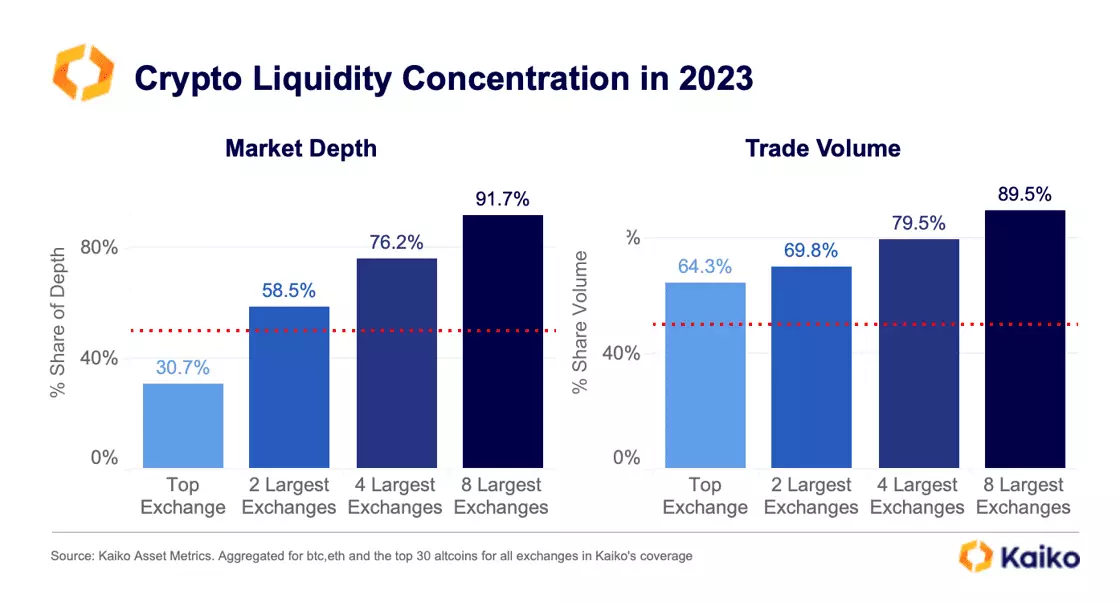
- Liquidity quality: examine spread, order-book depth, venue concentration, and whether reported volume appears credible.
- Proof and transparency: treat proof-of-reserves as one input; it does not by itself prove liabilities, solvency, or safe governance.
- Freshness: record when the score and its inputs were last updated. A recent incident can make an older score misleading.
If any high-impact item is missing or cannot be verified, pause before transferring funds. A high score should never override a blocked withdrawal, an unclear legal entity, or an unresolved security incident.
Using Trust Scores in Your Investment Strategy
Having a Trust Score at your fingertips is great – but how do you actually use it to make smarter investment moves? Think of Trust Scores as a first filter for decision-making:
Choosing exchanges
If you’re deciding where to buy a new cryptocurrency and see that Exchange A has a Trust Score of 9/10 (green) while Exchange B has 4/10 (red), lean towards A. A high score suggests strong liquidity, security, and reputation. A low score is a glaring warning – perhaps poor liquidity, past hacks, or other issues. A slightly lower trading fee on a low-trust exchange isn’t worth the risk of potential loss or headaches down the line. Trust Scores help you avoid chasing deals on unreliable platforms.
Evaluating a coin or project instead
An exchange score and a project score answer different questions. An exchange review focuses on custody, liquidity, withdrawals, security operations, and the legal entity. A project review focuses on smart contracts, tokenomics, holder concentration, governance, and team transparency. For that workflow, follow the complete crypto project Trust Score checklist.
Portfolio monitoring
You can incorporate trust metrics into how you manage your crypto holdings. Some advanced investors set rules like “only keep funds on exchanges with a Trust Score above 8” or use portfolio trackers that alert them if any asset or platform’s trust rating drops suddenly. Many modern crypto apps (including AI-driven trust analysis platforms) let you see trust scores in your dashboard, so you can quickly gauge which holdings are more speculative versus stable. Using these tools can act as an early warning system – for example, if an exchange’s score plummets due to a new security incident, you might get a prompt to withdraw funds to a safer place.
In practice, using Trust Scores is about informed caution. Make it a habit to check the Trust Score (or similar trust indicators) before you:
- Open an account on a new exchange (Is the exchange reputable and safe?)
- Buy a new coin or token (Does the project seem trustworthy or is it a high-risk gamble?)
- Stake or lend crypto on a platform (Is the platform known to be reliable or are there many complaints from users?)
By incorporating these simple checks, you’re more likely to avoid pitfalls like depositing money on a dubious exchange that might freeze withdrawals, or buying into a project that’s one week away from imploding. Trust Scores are a starting point for due diligence, helping you quickly filter out the riskiest options so you can focus your research on the better ones. Just remember: use Trust Scores as a guide, not gospel. They’re one tool in your toolkit – they can make your decision-making more efficient, but they don’t replace your own critical analysis.

Limitations and Best Practices
While Trust Scores are incredibly useful, they aren’t perfect. It’s important to be aware of their limitations and use them smartly:
No Score Guarantees Zero Risk
A high Trust Score (say 9/10 or an “AA” grade) indicates strong confidence in a platform so far, but it’s not a 100% safety guarantee. Even top-rated exchanges or coins can face unexpected issues (hacks, sudden regulatory changes, etc.). Treat a high score as a reassurance, not an excuse to drop your guard. Continue following security best practices (e.g. use hardware wallets for long-term storage, enable 2FA on accounts) regardless of how trusted a platform is.
Scores Can Vary by Source
Different platforms calculate trustworthiness differently. You might see an exchange rated 10/10 on CoinGecko but only a “B” on CryptoCompare, or a wallet with 4.5 stars on Trustpilot yet flagged by a security audit site. These aren’t necessarily contradictions – each source looks at different data and criteria. That’s why cross-referencing multiple trust sources is wise. If they all align, great. If they conflict, dig into why (maybe one focuses on technical factors, another on user sentiment).
Low Score Doesn’t Always Mean Scam
Generally, a low Trust Score is a red flag, but context matters. A new exchange or DeFi project might start with a low score simply because it’s unproven or lacks data, not because it’s malicious. Some legitimate projects might also score poorly if they, say, prioritize privacy over compliance (leading to low marks on regulatory factors). So a low score means proceed with caution and investigate why the score is low. Sometimes you’ll find the concerns are real and you should stay away; other times you might decide the potential benefits outweigh the risks if you take additional precautions.
Potential for Manipulation
Be mindful that any metric can be gamed. User-driven scores can be skewed by fake reviews (for example, Binance’s Trustpilot page once had its rating disabled due to widespread fake positive reviews). On the flip side, angry users or competitors might spam a platform with 1-star reviews. Trust score providers do fight these tactics with algorithms and warnings, but as an investor you should look out for signs of manipulation (e.g. a flood of overly generic 5-star reviews).
Stay Updated
Trust Scores are only as current as the data behind them. They might not immediately reflect very recent events. If an exchange was rock-solid but got hacked last week, its high score might not have dropped yet – so always scan recent news in addition to checking the score. Conversely, if a platform improved security or transparency recently, it might take time for its score to rise. Make it a habit to re-check the trust scores of the services you use periodically, and especially before making big moves or adding more funds.
Bottom line
Trust Scores are powerful aids to help you invest more safely, but they’re not a silver bullet. Use them as an early filter and confidence check, then follow through with your own research and good judgement.
Conclusion
The world of crypto investing is exciting but fraught with risks – and Trust Scores have emerged as a valuable compass to navigate that landscape. We started by asking what is a Trust Score in crypto and how can you rely on it when investing, and we’ve seen that a Trust Score is essentially your shortcut to gauging a platform’s credibility and safety. It condenses everything from liquidity and security practices to user satisfaction into an easy-to-digest rating. For both newcomers and experienced traders, trust scores serve as a reality check in a market where hype can sometimes obscure the truth.
Using Trust Scores wisely can stack the odds in your favor. They can steer you away from dubious exchanges where you might lose money, or alert you to scam tokens that could turn into disasters. High trust metrics encourage you to favor venues with proven track records, good liquidity, and positive user experiences – all of which reduce the chance of nasty surprises. But remember the flip side: never rely on Trust Scores alone. They are the beginning of wisdom, not the end. The savviest investors treat them as one input among many. Think of a Trust Score as the first chapter of a story; it’s on you to read the whole book before investing big.
Going forward, keep practicing due diligence. If a platform’s Trust Score looks great, enjoy the confidence that brings – but still keep your security habits sharp. If a score looks poor, be thankful for the red flag – and either stay away or proceed only with strong reasons and backup plans. Over time, you’ll develop intuition that works hand-in-hand with these scores. And don’t hesitate to leverage tools that make the process easier. Many modern crypto portfolio platforms integrate trust metrics directly into their dashboards. For example, Trust Score analysis by Forvest can automatically evaluate the trustworthiness of assets and exchanges in your portfolio, helping you make informed decisions at a glance. Using such features can save you time and add an extra layer of safety to your strategy.
In the ever-evolving crypto space, trust is a currency of its own. By understanding and utilizing Trust Scores, you’re effectively investing in peace of mind. Here’s to making smarter, safer crypto investments – may your portfolio grow, and may your risks be calculated and well-managed. Stay informed, stay secure, and happy investing!
Related reading: For the next step, continue with BTC, ETH, SOL and DOGE Trust Score comparison and vetting emerging cryptocurrencies with Trust Score.