
Crypto investment risk is not limited to price volatility. Losses can also come from an exchange failure, thin liquidity, a compromised wallet, a smart-contract dependency, misleading promotion, a stablecoin depeg, or a decision made under pressure.
This guide focuses on those less-visible failure paths and shows how to investigate them before committing capital. For a broader introduction to volatility, allocation, tokenomics, and basic due diligence, start with our complete crypto investment risk guide.
Educational note: This article provides general information, not personalized financial, legal, or tax advice. Crypto assets are high-risk, and you can lose the full amount invested.
1. Hidden Risk Is the Risk You Have Not Mapped
A visible risk is easy to name: the market price may fall. A hidden risk is usually one step behind the price. You may be unable to withdraw from a platform, sell near the displayed price, recover a lost seed phrase, understand a protocol dependency, or verify a claim before conditions change.
Before investing, separate the risks into practical categories:
- Market risk: price can move sharply and unpredictably.
- Liquidity risk: the quoted price may not be available for the size you need to sell.
- Custody and counterparty risk: a wallet, custodian, exchange, or other provider may fail or restrict access.
- Technical risk: contracts, bridges, oracles, validators, or upgrade controls may break or be exploited.
- Stablecoin and dependency risk: an apparently defensive asset may depend on an issuer, reserves, banking access, collateral, or another protocol.
- Fraud and information risk: false claims, impersonation, paid promotion, or manipulated activity may distort the evidence.
- Legal and operational risk: access, reporting duties, provider permissions, or service availability may change.
- Behavioral risk: position size, leverage, urgency, FOMO, and loss aversion may turn a manageable risk into a damaging one.
The goal is not to label an asset “safe.” It is to identify how a loss could happen, decide which risks you can tolerate, and avoid depending on a single platform, assumption, or exit route.
2. Custody and Exchange Risk Go Beyond Hacks
Self-custody and third-party custody have different failure paths. With self-custody, you control the keys but also carry responsibility for backups, signing decisions, device security, and irreversible transfers. With third-party custody, the provider controls access and may introduce insolvency, governance, withdrawal, jurisdiction, privacy, and operational risks.
The Investor.gov custody bulletin recommends understanding who controls the private keys, how assets are stored, how a custodian may use customer assets, what fees apply, and what happens if the provider is hacked, closes, or becomes insolvent.
Proof of reserves can be one data point, but it is not the same as a financial-statement audit or proof of solvency. A snapshot may not show all liabilities, customer rights, borrowed assets, or controls. The PCAOB investor advisory on proof-of-reserve reports explains these limitations.
Before using a custodian or exchange, check:
- the exact legal entity and jurisdiction providing the service;
- the provider’s current permissions and the activities those permissions cover;
- whether withdrawals operate normally and what limits or delays apply;
- whether customer assets may be lent, pledged, or combined with provider assets;
- account-security controls such as strong authentication and withdrawal allowlists;
- the recovery process if the provider fails or access is disputed.
3. Liquidity, Slippage, and Fees Can Change the Real Outcome
A portfolio value displayed on a dashboard is not necessarily the amount you can realize. Thin order books, wide spreads, withdrawal restrictions, network congestion, and rapid price moves can make the actual exit materially worse than the quoted price.
Inspect liquidity across more than one credible venue. Compare the bid–ask spread, market depth near the current price, deposit and withdrawal availability, and the effect of an order similar to yours. For smaller tokens, also review holder concentration, token unlocks, and whether reported volume appears consistent across venues.
Include the full cost of acting: entry and exit fees, spread, slippage, network fees, funding or borrowing costs, currency conversion, withdrawal charges, and any tax consequences relevant to your jurisdiction. A strategy that appears profitable before costs may not remain so afterward.
FINRA’s crypto-asset risk overview highlights extreme volatility, limited liquidity, fraud, theft, and the possibility of losing the full investment.
4. Smart-Contract Risk Includes Every Dependency
A smart-contract audit is useful evidence, but it is not a warranty. Check the audit date and scope, unresolved findings, code changes after the audit, upgrade permissions, emergency controls, bug-bounty coverage, and incident history.
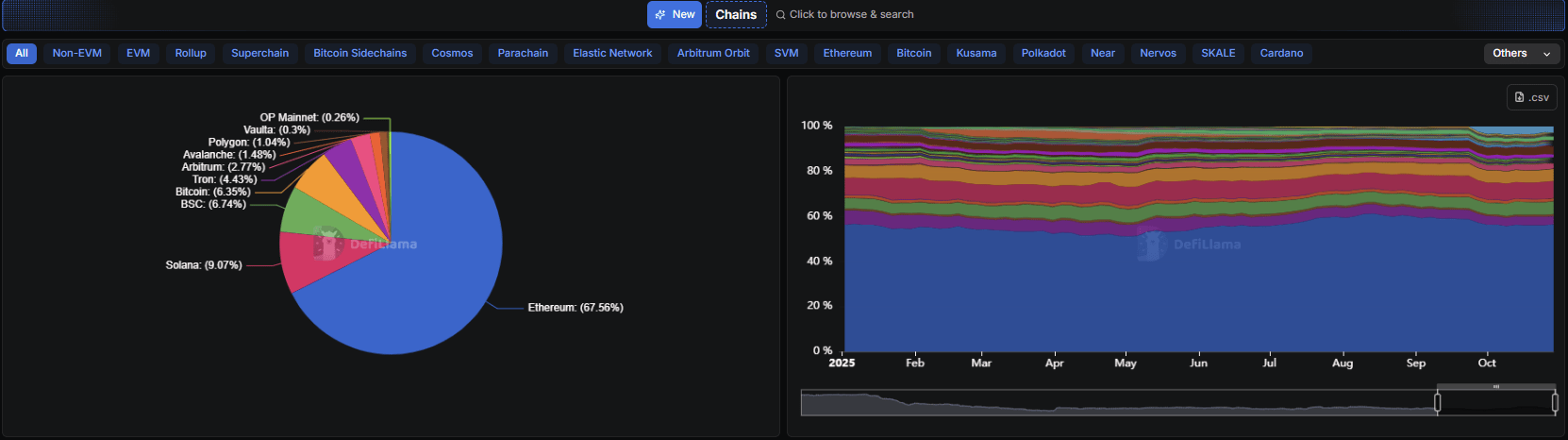
Then map the dependencies. A protocol may rely on a bridge, oracle, stablecoin, collateral asset, sequencer, validator set, multisignature group, front-end service, or external custodian. A failure in one dependency can affect several products that appear unrelated.
5. Stablecoins Can Concentrate Risk Instead of Removing It
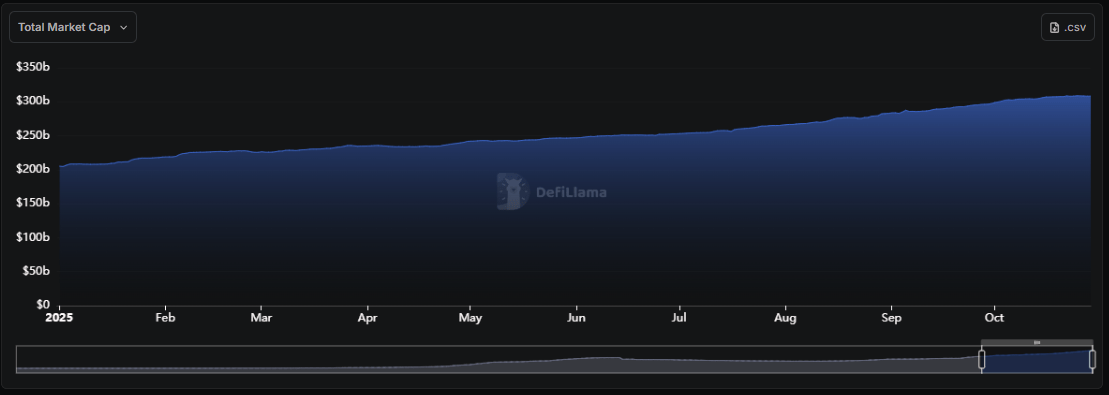
A stable price target does not make a stablecoin risk-free. Different designs may depend on an issuer, bank deposits, government securities, overcollateralized loans, smart contracts, price oracles, redemption partners, or market incentives.
Before relying on a stablecoin, investigate:
- what supports the peg and whether reserves and liabilities are clearly reported;
- who can mint, freeze, blacklist, pause, or upgrade the system;
- how redemption works, who is eligible, and which fees or limits apply;
- the liquidity available during stress, not only during normal conditions;
- the protocol, bridge, chain, and custody dependencies involved;
- previous depegs, service interruptions, or changes to terms.
Diversifying across several tokens does not create meaningful diversification if they rely on the same issuer, collateral, bridge, chain, or custodian.
6. Regulation and Fraud Checks Must Be Current
Regulatory status is time-sensitive and specific to a legal entity, jurisdiction, and activity. A license for one service does not automatically cover every product offered under the same brand, and licensing does not guarantee liquidity, investment suitability, custody safety, or future returns.
Verify providers through the relevant official register on the date of your decision. For services operating in or from Dubai, excluding the Dubai International Financial Centre, the VARA Public Register lists entities and their authorized activities. Other locations may have different competent authorities.
Also treat the following as warning signs:
- guaranteed returns or claims that losses are impossible;
- pressure to act immediately or keep an opportunity secret;
- requests for a seed phrase, private key, remote access, or an extra payment to unlock withdrawals;
- an account, app, or domain that imitates a legitimate provider;
- screenshots of profits without independently verifiable evidence;
- paid promotion or conflicts of interest that are not disclosed.
Keep records of transactions and verify current reporting or tax obligations in your own jurisdiction. Do not rely on a global summary table for a personal legal or tax decision.
7. Position Size and Behavior Can Dominate Asset Quality
Even a well-researched asset can become a poor decision if the position is too large, funded with borrowed money, or needed for near-term expenses. There is no universal crypto allocation or fixed percentage that suits every investor.
Stress-test the decision before acting:
- What happens to your wider financial plan if the position falls sharply or becomes inaccessible?
- Could you tolerate a complete loss without affecting essential expenses or emergency savings?
- Would you still follow the plan if withdrawals were delayed or liquidity disappeared?
- What evidence would invalidate the original thesis?
- What event would trigger a review rather than an automatic trade?
FOMO, loss aversion, recency bias, and overconfidence can push decisions away from the written plan. Alerts and checklists may improve consistency, but they cannot remove market risk or guarantee disciplined behavior.
8. Use Risk Tools as Inputs, Not Verdicts
Forvest Trust Score can help organize supported asset signals and prioritize further research. It is not a safety certificate, proof of regulatory status, price forecast, or recommendation to buy or sell.
Forvest Alerts can notify you when selected market or portfolio conditions occur. An alert is not a trading instruction and still requires independent interpretation. Forvest News Review can help organize relevant updates, but material claims should be checked against current primary sources.
For a repeatable portfolio process, use our crypto risk management strategies guide.
Crypto Investment Risk Checklist
- I can explain the main market, liquidity, custody, technical, legal, and behavioral risks.
- I verified the provider’s exact legal entity and current permissions.
- I understand who controls the keys and what happens if a custodian fails.
- I checked realistic exit conditions, spreads, fees, and withdrawal availability.
- I reviewed contract audits, incident history, upgrade controls, and dependencies.
- I treated proof of reserves as limited evidence rather than proof of solvency.
- I investigated stablecoin reserve, redemption, issuer, contract, and depeg risks.
- I verified important claims through primary sources instead of promotion alone.
- I can tolerate a severe decline or complete loss without harming essential goals.
- I documented the reason for acting, failure conditions, and review triggers.
Final Thought
Crypto risk is a system, not a single score. Price, liquidity, custody, technology, counterparties, regulation, information quality, and position size interact. A strong process does not promise to eliminate risk; it makes assumptions visible, reduces avoidable concentration, and helps you recognize when the available evidence is not strong enough to act.
Related reading: Related Forvest guides: managing fear, greed and FOMO.