
What News Moves the Crypto Market? 8 Catalysts to Track
Crypto prices react most to confirmed news that changes liquidity, access, regulation, security, supply or risk appetite. Verify the primary source and transmission mechanism before acting.

Browse by learning goal
Product explainers and methodologies that turn data into decisions—Trust & Invest Scores, SPI, validation frameworks, and step-by-step how-to guides.
Crypto prices react most to confirmed news that changes liquidity, access, regulation, security, supply or risk appetite. Verify the primary source and transmission mechanism before acting.

Stay current with crypto news by using reliable sources to verify claims, a small watchlist to judge relevance, selective alerts for time-sensitive events, and fixed daily, weekly, and…
Crypto can rise or fall because of macroeconomic news, institutional flows, regulation, crypto-specific events, or shifts in market positioning. To explain a move responsibly, first check whether it…
To analyze crypto news, start with the original source, separate confirmed facts from claims, identify who or what is affected, and place the event in a daily, weekly,…
Evaluate a crypto project by testing its product and token purpose, verifying the team and legal entities, mapping supply and unlocks, reviewing security and admin powers, checking adoption…
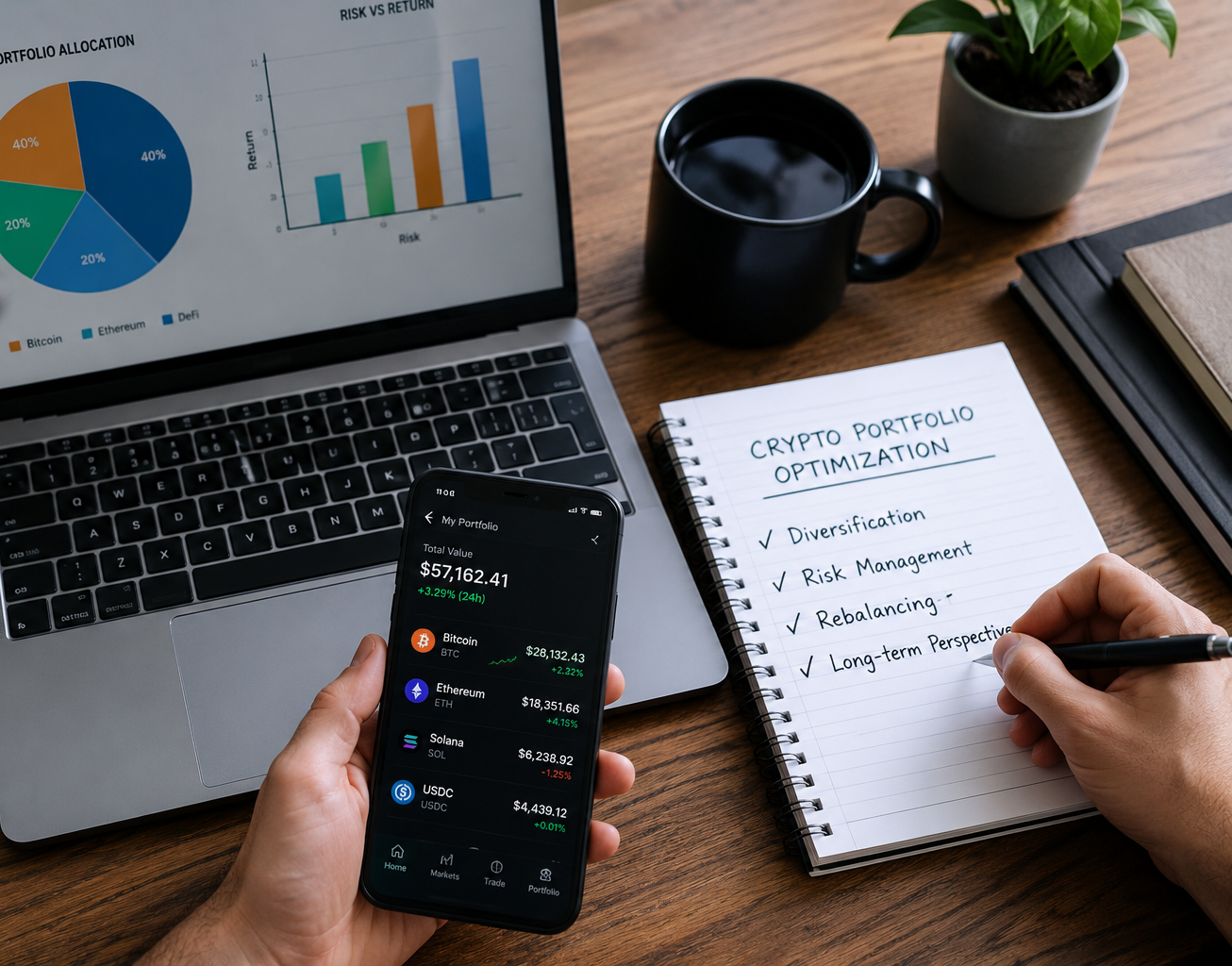
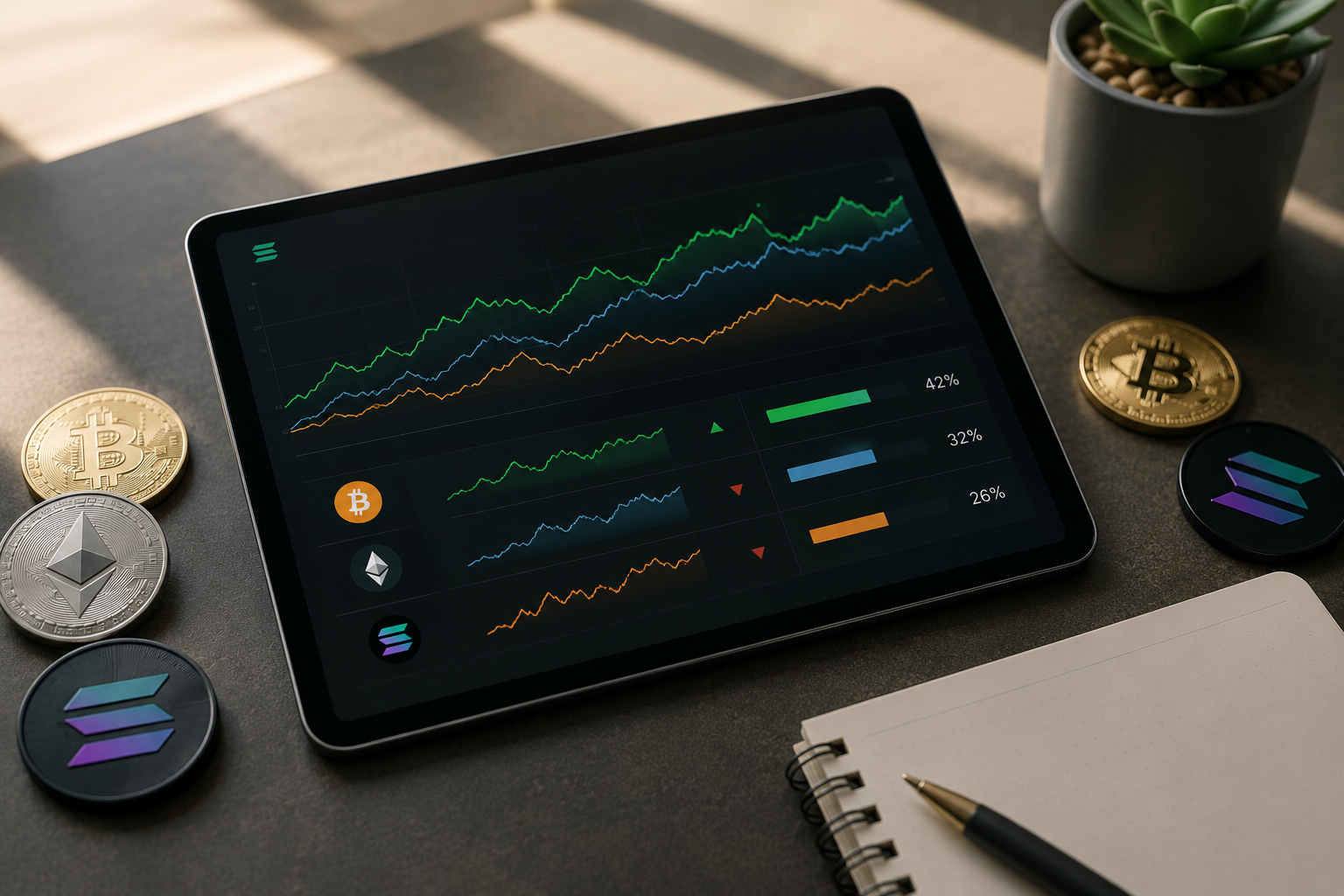
Crypto portfolio optimization begins with a written policy: eligible assets, target weights, concentration limits and a rebalancing rule. Measure current weights, drift, correlation, liquidity and costs against that…
Rebalancing is a rule for moving a crypto portfolio back toward target weights after meaningful drift. Define the targets and trigger before prices move, measure absolute or relative…
Most crypto investors focus on choosing the right assets. However, in practice, what often determines long-term performance is not what you buy, but how you allocate your capital…
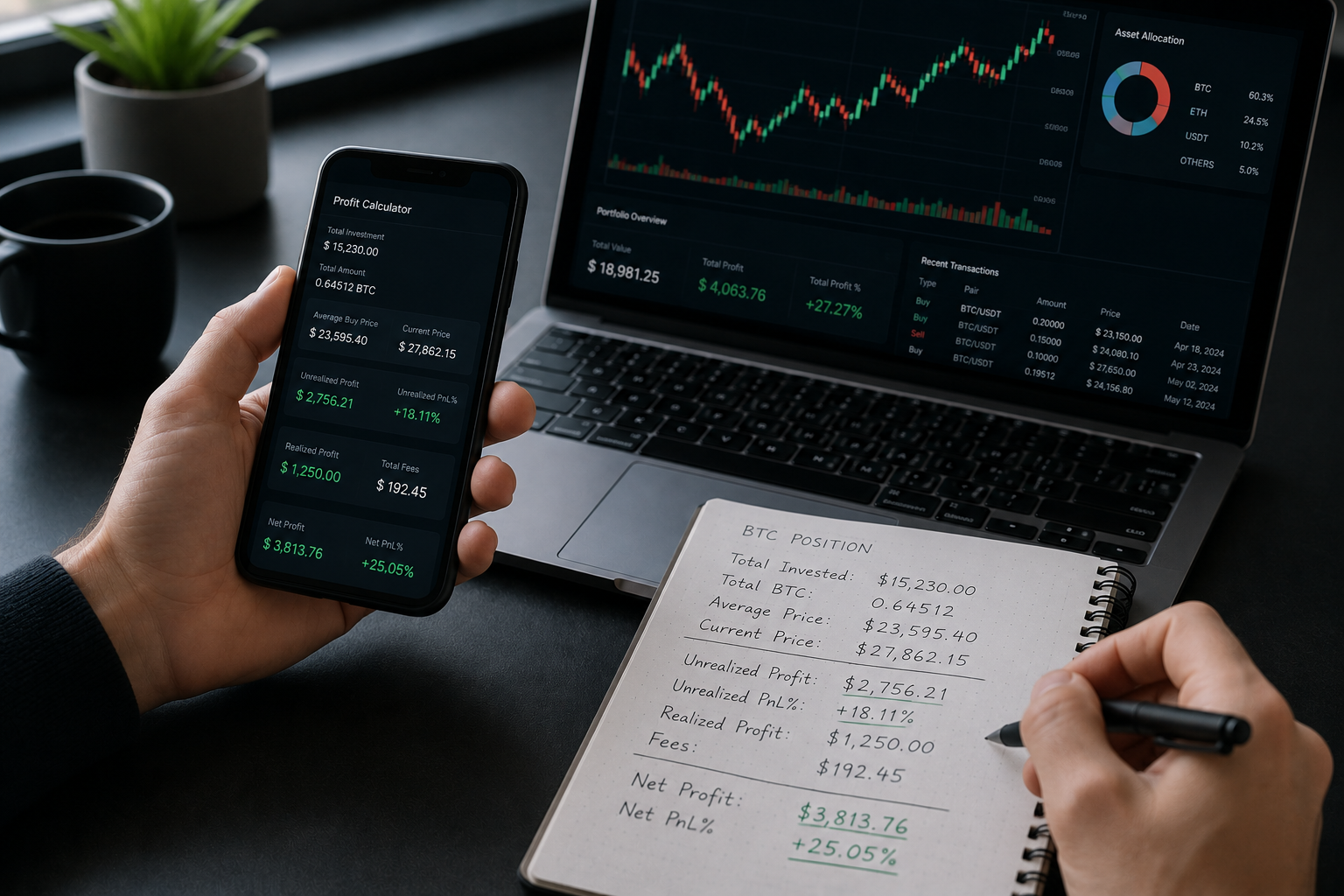
Calculate multi-asset crypto profit and loss from one reconciled ledger in a consistent base currency and valuation time. Separate external cash flows from investment performance, then calculate realized…
Most crypto investors believe they understand their performance because they can see their profits. However, this assumption often breaks down once a portfolio includes multiple assets. When you…
After multiple buys, add purchase values and buy fees to build total cost basis, then divide by total units for an average cost. When units are sold, assign…
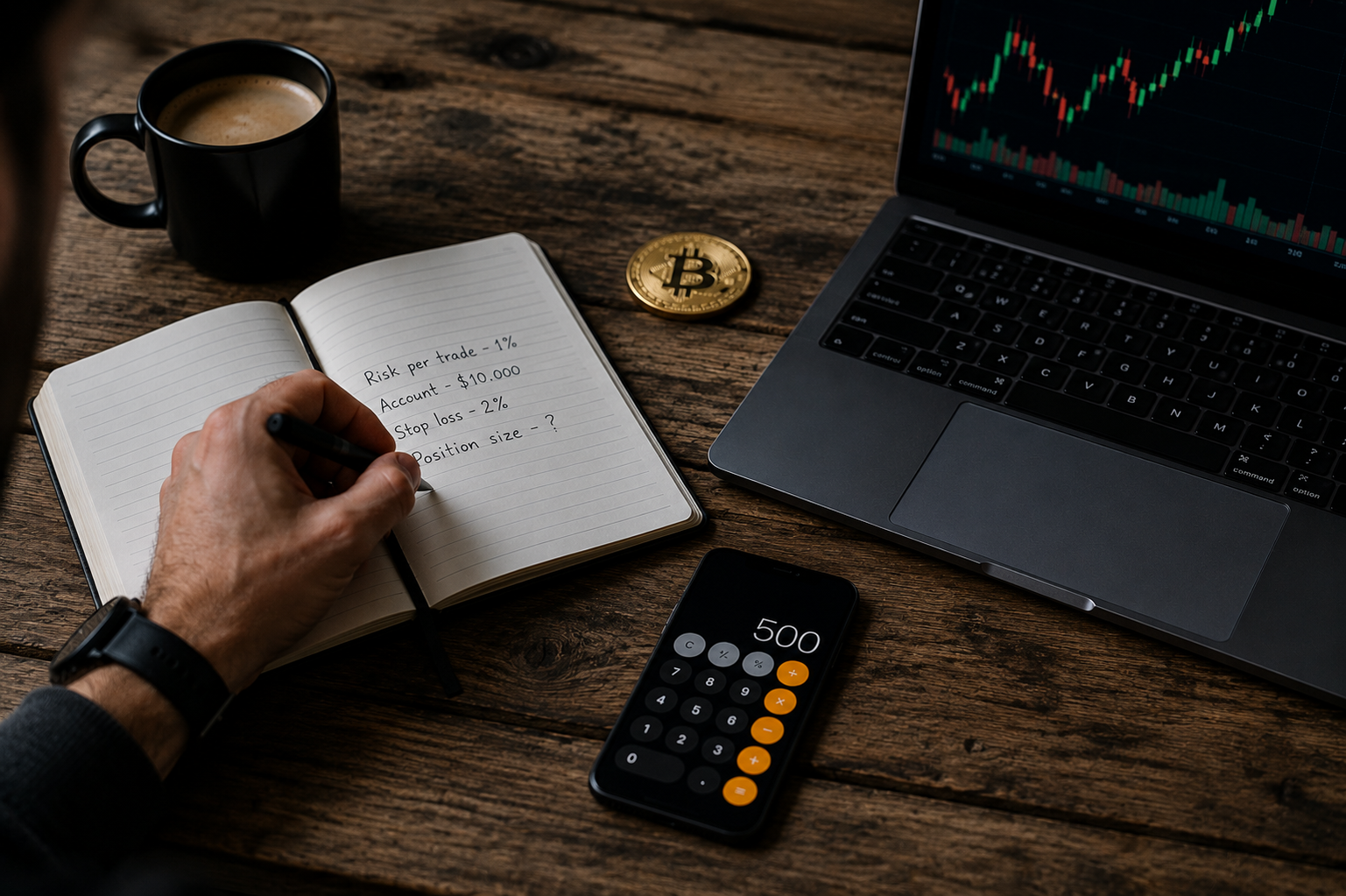
Position size should be calculated after choosing the maximum account loss and a valid exit level. Divide the dollar risk budget by the per-unit distance between entry and…